Korean Bibimbap
Uitgelicht onder: Wereldse Klassiekers
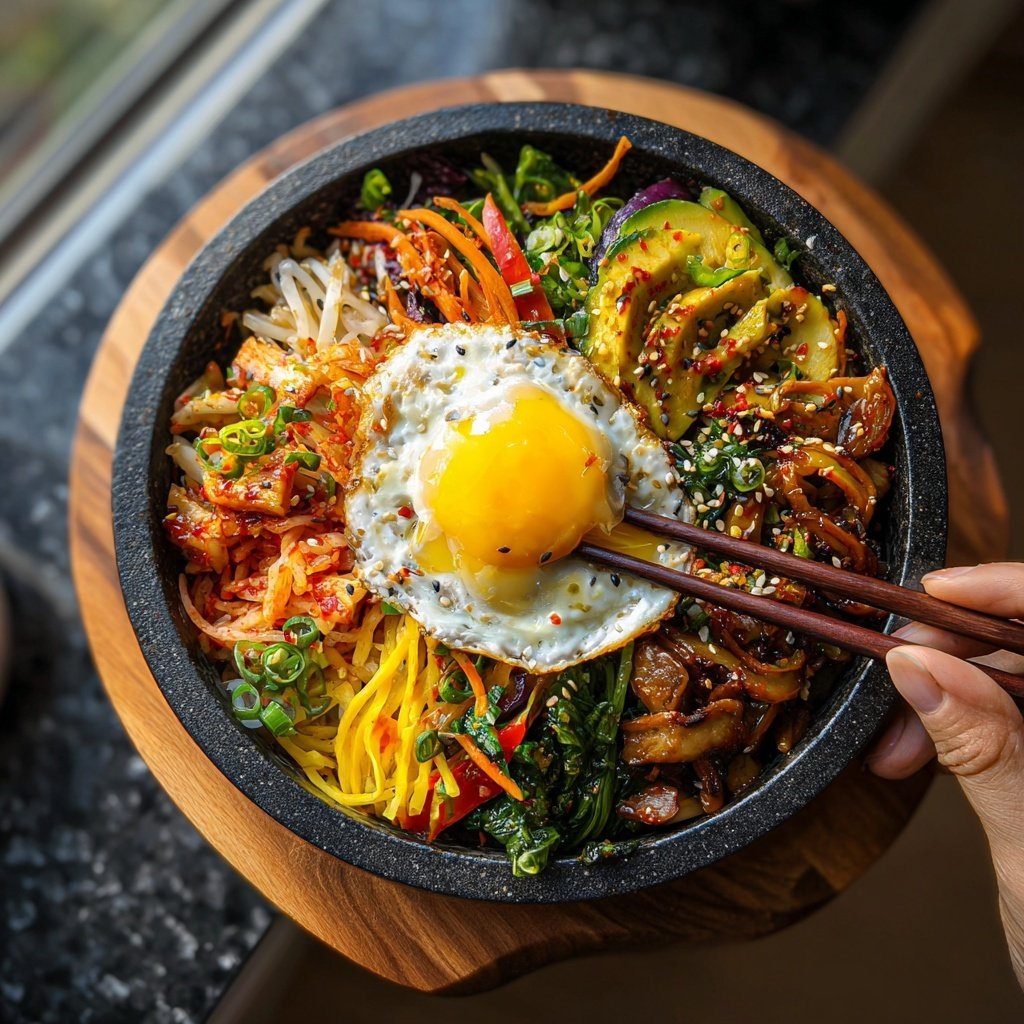
Delve into the vibrant and delicious world of Korean cuisine with this authentic Bibimbap recipe. A perfect medley of rice, vegetables, and protein, topped with a fried egg and spicy gochujang sauce.
Korean Bibimbap is a beloved dish that brings together a variety of fresh ingredients, combining flavors and textures in a harmonious way. Perfect for a family dinner or a gathering with friends!
Why You'll Love This Recipe
- A colorful and nutritious meal in one bowl
- Endless variations to suit your taste
- Satisfying and filling, perfect for any time of day
The Essence of Bibimbap
Bibimbap, meaning 'mixed rice' in Korean, is a dish that beautifully showcases the harmony of flavors and textures. Originating from Korea, this versatile meal has become a beloved favorite around the world. The base of the dish is fluffy white rice, which serves as the perfect canvas for a colorful assortment of sautéed vegetables. This combination not only makes for an aesthetically pleasing dish but also provides a wealth of nutrients, ensuring a balanced meal in every bite.
One of the key features of Bibimbap is its adaptability. While traditional ingredients often include spinach, mushrooms, and carrots, you can easily substitute with your favorite vegetables or whatever you have on hand. This flexibility allows for endless variations, making Bibimbap a great option for both meal prep and family dinners. Whether you prefer it vegetarian or loaded with protein like beef or chicken, this dish can be customized to fit any dietary preference.
Health Benefits of Bibimbap
Bibimbap is not just a delightful dish; it's also packed with health benefits. The array of colorful vegetables provides a rich source of vitamins and minerals, while the addition of protein—whether from eggs, meat, or tofu—ensures you're getting a balanced meal. The use of sesame oil and gochujang not only adds flavor but also contributes healthy fats and antioxidants, making this dish both delicious and nutritious.
Moreover, Bibimbap encourages mindful eating. The process of mixing the ingredients together before eating helps to engage your senses and enhances the overall dining experience. This practice not only makes each bite a unique blend of flavors but also promotes a more enjoyable mealtime, fostering a connection with the food you consume.
Ingredients
For the Bibimbap
- 2 cups cooked white rice
- 1 cup spinach, blanched
- 1 cup mushrooms, sliced
- 1 carrot, julienned
- 1 zucchini, julienned
- 4 eggs
- Sesame oil, for drizzling
- Salt and pepper, to taste
- Gochujang sauce, for serving
For the Marinade
- 2 tablespoons soy sauce
- 1 tablespoon sesame oil
- 1 teaspoon sugar
- 1 clove garlic, minced
Feel free to customize the vegetables based on your preference!
Instructions
Prepare the Vegetables
In a large skillet, heat a little sesame oil over medium heat. Sauté the mushrooms until soft. Set aside. In the same skillet, sauté the carrots and zucchini until tender. Season with salt and pepper.
Cook the Eggs
Fry the eggs sunny-side up in the skillet until the whites are set but the yolks are still runny.
Assemble the Bibimbap
In a bowl, place a serving of rice, then arrange the sautéed vegetables and spinach on top. Add the fried egg and drizzle with sesame oil.
Serve with Gochujang
Serve with gochujang sauce on the side for those who prefer a spicy kick!
Mix well before eating to combine all the flavors!
Professionele Tips
- Use leftover cooked vegetables for a quick assembly. Adjust the spice level of the gochujang to suit your taste.
Tips for Perfect Bibimbap
To achieve the best Bibimbap, start with high-quality ingredients. Fresh, seasonal vegetables will elevate the dish and bring out the natural flavors. When cooking the vegetables, be careful not to overcook them; you want them to retain some crunch for added texture. Preparing each component separately allows for better flavor control and presentation.
Another tip is to experiment with the gochujang sauce. While the recipe provides a basic version, feel free to add ingredients like honey, vinegar, or even a splash of lime juice to create a sauce that suits your palate. The right sauce will enhance the dish and provide that necessary kick.
Serving Suggestions
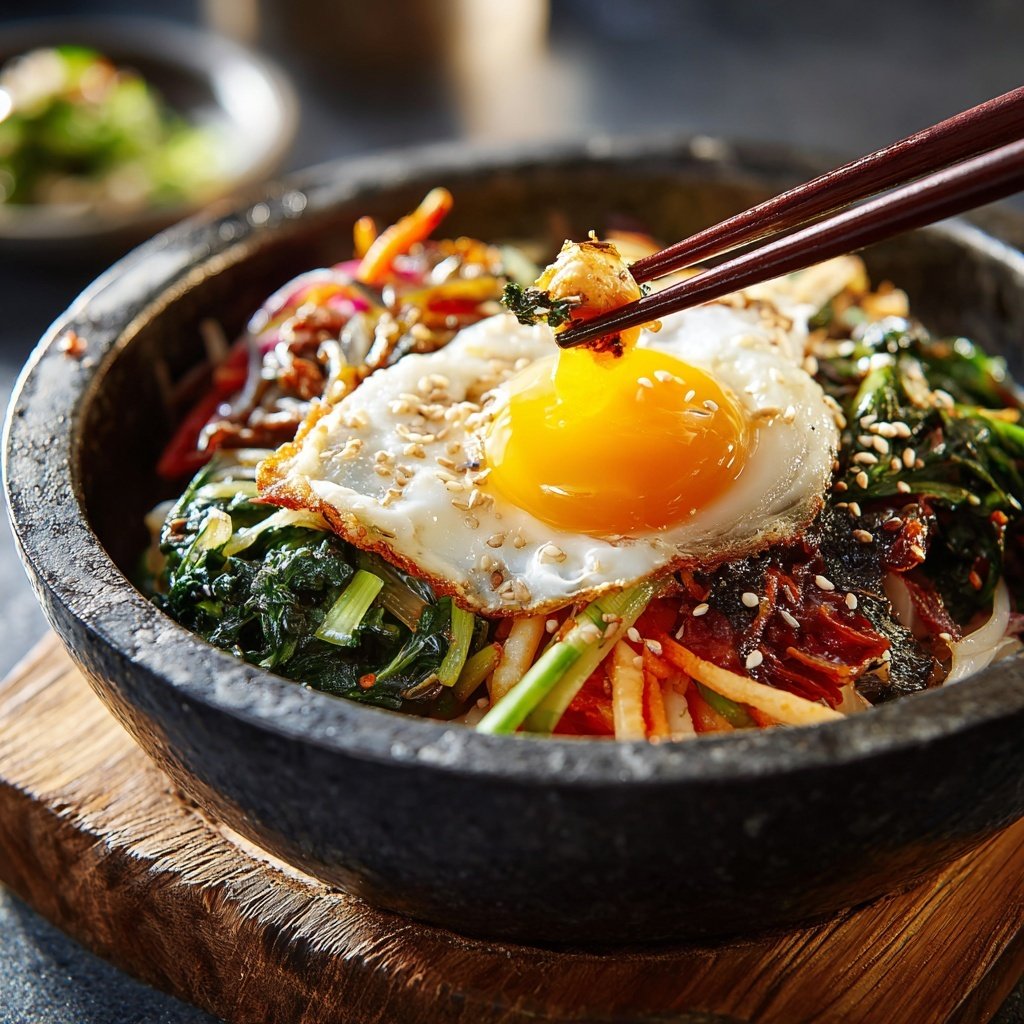
Bibimbap can be served in various ways, depending on your preference. For a traditional presentation, use a hot stone bowl, which keeps the rice warm and creates a delicious crispy layer at the bottom. If you don't have a stone bowl, a regular bowl works just fine, allowing you to enjoy the dish comfortably at home.
Pair your Bibimbap with a side of kimchi or pickled vegetables for an authentic Korean experience. These sides not only complement the flavors of the Bibimbap but also add an extra tangy crunch that balances the richness of the dish. For beverage options, consider serving it with a refreshing iced tea or Korean barley tea to cleanse the palate.
Vragen Over Recepten
→ Can I make Bibimbap vegetarian?
Absolutely! Simply skip the egg or use a tofu alternative for protein.
→ What can I substitute for gochujang?
You can use a mix of red pepper flakes with a bit of honey for sweetness as a substitute.
→ How can I store leftover Bibimbap?
Store the components separately in airtight containers to maintain freshness and reheat before serving.
→ Can I add meat to my Bibimbap?
Yes! Grilled chicken, beef, or pork are all great additions to enhance the flavor.
Korean Bibimbap
Gemaakt door: Chloe Baker
Recepttype: Wereldse Klassiekers
Vaardigheidsniveau: Intermediate
Eindportie: 4 servings
Wat je Nodig Hebt
For the Bibimbap
- 2 cups cooked white rice
- 1 cup spinach, blanched
- 1 cup mushrooms, sliced
- 1 carrot, julienned
- 1 zucchini, julienned
- 4 eggs
- Sesame oil, for drizzling
- Salt and pepper, to taste
- Gochujang sauce, for serving
For the Marinade
- 2 tablespoons soy sauce
- 1 tablespoon sesame oil
- 1 teaspoon sugar
- 1 clove garlic, minced
Stappen
In a large skillet, heat a little sesame oil over medium heat. Sauté the mushrooms until soft. Set aside. In the same skillet, sauté the carrots and zucchini until tender. Season with salt and pepper.
Fry the eggs sunny-side up in the skillet until the whites are set but the yolks are still runny.
In a bowl, place a serving of rice, then arrange the sautéed vegetables and spinach on top. Add the fried egg and drizzle with sesame oil.
Serve with gochujang sauce on the side for those who prefer a spicy kick!
Extra Tips
- Use leftover cooked vegetables for a quick assembly. Adjust the spice level of the gochujang to suit your taste.
Voedingswaarde (Per Portie)
- Calories: 600 kcal
- Total Fat: 24g
- Saturated Fat: 5g
- Cholesterol: 210mg
- Sodium: 800mg
- Total Carbohydrates: 80g
- Dietary Fiber: 5g
- Sugars: 6g
- Protein: 20g