Beef Tenderloin with Fig Glaze
Uitgelicht onder: Wereldse Klassiekers
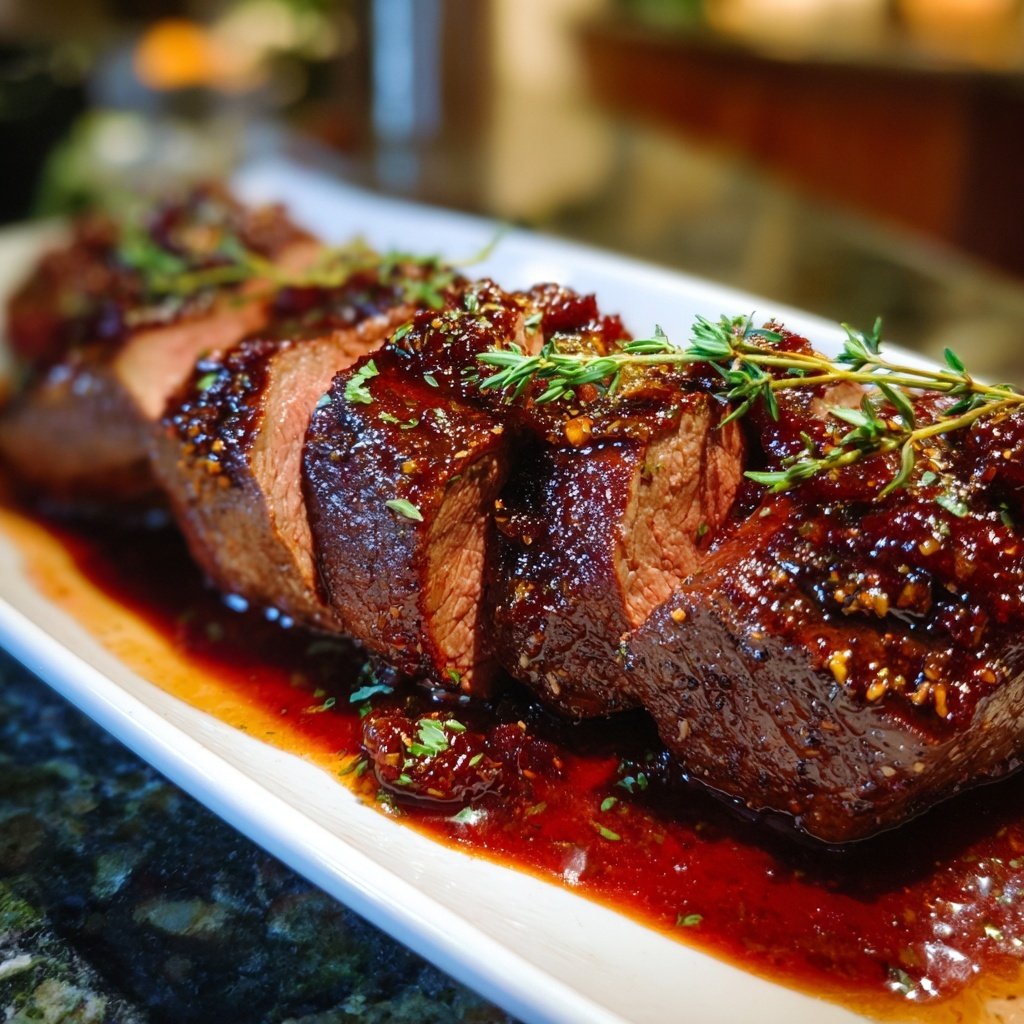
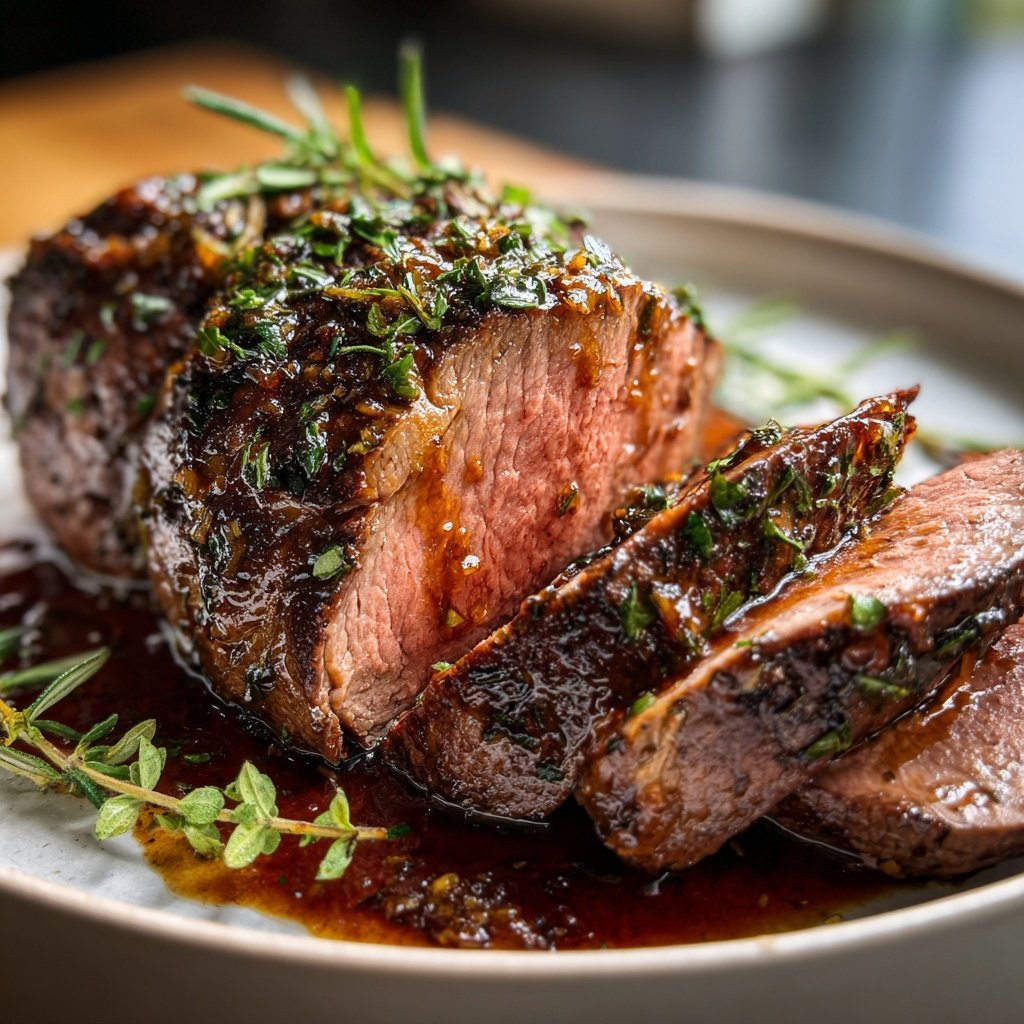
I absolutely love making Beef Tenderloin with Fig Glaze, especially for special occasions or family gatherings. The combination of tender beef and sweet, luscious fig glaze creates an unforgettable flavor experience. It’s incredibly satisfying to slice into the perfectly cooked tenderloin, revealing its juiciness and rich taste. This dish not only impresses guests but also makes me feel accomplished in the kitchen. In just a matter of minutes, I can elevate any meal with this recipe and leave everyone asking for seconds.
Every time I prepare Beef Tenderloin with Fig Glaze, I’m reminded of a delightful dinner I hosted last year. I combined the sweetness of figs with the savory meat, creating a dish that was gone in a flash. The flavor balance between the two elements made it the star of the night. I noticed that marinating the meat for even just a short time enhances its tenderness, making each bite a pleasure.
One thing that sets this dish apart is the simplicity of the glaze, which can be whipped up while the tenderloin rests. I love to add a hint of balsamic vinegar for some tang. This pop of flavor brings out the best in the meat, making it not just a meal, but an experience that I cherish to share with loved ones.
Why You'll Love This Recipe
- Rich, savory flavors complemented by sweet fig notes
- Perfectly tender, juicy beef cooked to your liking
- A beautiful presentation that wows at dinner parties
Cooking Techniques for Beef Tenderloin
Perfecting the sear on the beef tenderloin is essential for locking in flavors. Use a high-quality, heavy skillet to achieve an even heat. I recommend using cast iron or stainless steel, as they retain heat well and create a beautiful crust. Sear the beef for about 4 minutes on each side until you achieve a deep golden-brown color. This step not only enhances the flavor through the Maillard reaction but also adds an appealing texture contrast to the tender meat.
After searing, it’s crucial to monitor the internal temperature of the beef as it bakes. For medium-rare, target an internal temperature of 130°F (54°C). I find that using a meat thermometer is key; this ensures precision and prevents overcooking. Remember to allow the meat to rest for 10 minutes after baking; this allows the juices to redistribute, resulting in a more flavorful and juicy tenderloin.
Creating the Perfect Fig Glaze
The fig glaze is the star of this dish, making it important to choose ripe, fresh figs for a rich, sweet base. If figs are not in season, high-quality dried figs can be used as a substitute; just ensure to soak them in warm water to soften before chopping. This will help in achieving the right consistency when cooked with honey and Dijon mustard, delivering a balance of sweetness and tang that complements the beef flawlessly.
As the glaze cooks down, keep an eye on the consistency. You’re looking for a syrupy texture that clings well to the beef. If it appears too thin, continue cooking over medium heat until it thickens, stirring frequently to prevent sticking. If too thick, simply add a splash of water or more balsamic vinegar to reach the desired consistency. This flexibility ensures you can always adjust the glaze to wear it perfectly.
Ingrediënten
Ingredients
For the Beef Tenderloin
- 2 pounds beef tenderloin
- Salt and pepper, to taste
- 2 tablespoons olive oil
For the Fig Glaze
- 1 cup fresh figs, chopped
- 1/2 cup balsamic vinegar
- 1/4 cup honey
- 1 tablespoon Dijon mustard
Bereidingswijze
Instructions
Prepare the Marinade
Season the beef tenderloin with salt and pepper. In a bowl, whisk together olive oil and balsamic vinegar. Marinate the beef for at least 20 minutes.
Sear the Tenderloin
Heat a skillet over medium-high heat. Sear the beef on all sides until browned, about 4 minutes each side.
Bake the Tenderloin
Transfer the tenderloin to a baking dish and bake in a preheated oven at 375°F (190°C) for 20–25 minutes for medium-rare.
Make the Fig Glaze
While the beef is baking, combine chopped figs, honey, and Dijon mustard in a saucepan. Cook over medium heat until the figs break down and the glaze thickens.
Serve
Once the beef is cooked to your desired doneness, remove it from the oven and let it rest for 10 minutes. Slice and drizzle with the fig glaze before serving.
Professionele Tips
- Rest the beef for at least 10 minutes before slicing to keep all the juices locked in. Serve with roasted vegetables for a complete meal.
Make-Ahead Considerations
This Beef Tenderloin with Fig Glaze can be prepared in advance for easier entertaining. You can marinate the beef up to 24 hours ahead, which enhances the flavors significantly. Store it wrapped in plastic wrap in the refrigerator. When you're ready to cook, allow the tenderloin to come to room temperature for about 30 minutes before searing for more even cooking.
The fig glaze can also be prepared ahead of time and stored in an airtight container in the refrigerator for up to a week. Reheat it gently in a saucepan over low heat, stirring to maintain the smooth consistency before drizzling over the tenderloin. By prepping these elements in advance, you’ll streamline your cooking process and reduce stress on the day of your gathering.
Serving Suggestions and Variations
To serve this dish, consider pairing it with a light salad, roasted vegetables, or creamy polenta to complement the rich flavors of the beef and fig glaze. A glass of full-bodied red wine, like a Cabernet Sauvignon, enhances this experience with its robust flavors that align beautifully with the savory and sweet elements of the dish.
You can also explore variations by swapping figs for other fruits like peaches or apricots. Use the same process to create a glaze, adjusting the cooking time depending on the fruit's sugar content and moisture level. This opens up a world of flavor possibilities while keeping the core recipe intact, allowing for creativity based on seasonal ingredients.
Vragen Over Recepten
→ Can I use dried figs instead of fresh?
Yes, dried figs can be used, but might require additional water in the glaze to achieve the desired consistency.
→ How do I store leftovers?
Store any leftovers in an airtight container in the refrigerator for up to 3 days.
→ What temperature should the beef be for medium-rare?
The internal temperature should reach 135°F (57°C) for medium-rare beef.
→ Can I make the fig glaze ahead of time?
Absolutely! The glaze can be made up to 2 days in advance and reheated on the stovetop before serving.
Beef Tenderloin with Fig Glaze
Gemaakt door: Chloe Baker
Recepttype: Wereldse Klassiekers
Vaardigheidsniveau: Intermediate
Eindportie: 4 servings
Wat je Nodig Hebt
For the Beef Tenderloin
- 2 pounds beef tenderloin
- Salt and pepper, to taste
- 2 tablespoons olive oil
For the Fig Glaze
- 1 cup fresh figs, chopped
- 1/2 cup balsamic vinegar
- 1/4 cup honey
- 1 tablespoon Dijon mustard
Stappen
Season the beef tenderloin with salt and pepper. In a bowl, whisk together olive oil and balsamic vinegar. Marinate the beef for at least 20 minutes.
Heat a skillet over medium-high heat. Sear the beef on all sides until browned, about 4 minutes each side.
Transfer the tenderloin to a baking dish and bake in a preheated oven at 375°F (190°C) for 20–25 minutes for medium-rare.
While the beef is baking, combine chopped figs, honey, and Dijon mustard in a saucepan. Cook over medium heat until the figs break down and the glaze thickens.
Once the beef is cooked to your desired doneness, remove it from the oven and let it rest for 10 minutes. Slice and drizzle with the fig glaze before serving.
Extra Tips
- Rest the beef for at least 10 minutes before slicing to keep all the juices locked in. Serve with roasted vegetables for a complete meal.
Voedingswaarde (Per Portie)
- Calories: 380 kcal
- Total Fat: 26g
- Saturated Fat: 15g
- Cholesterol: 195mg
- Sodium: 85mg
- Total Carbohydrates: 32g
- Dietary Fiber: 3g
- Sugars: 24g
- Protein: 6g